- Have any questions?
- +92 051 2717932
- info@geese.org.pk
The Women Aligned for Sustainable Youth-Centred Livelihood Action (WASYLA) project
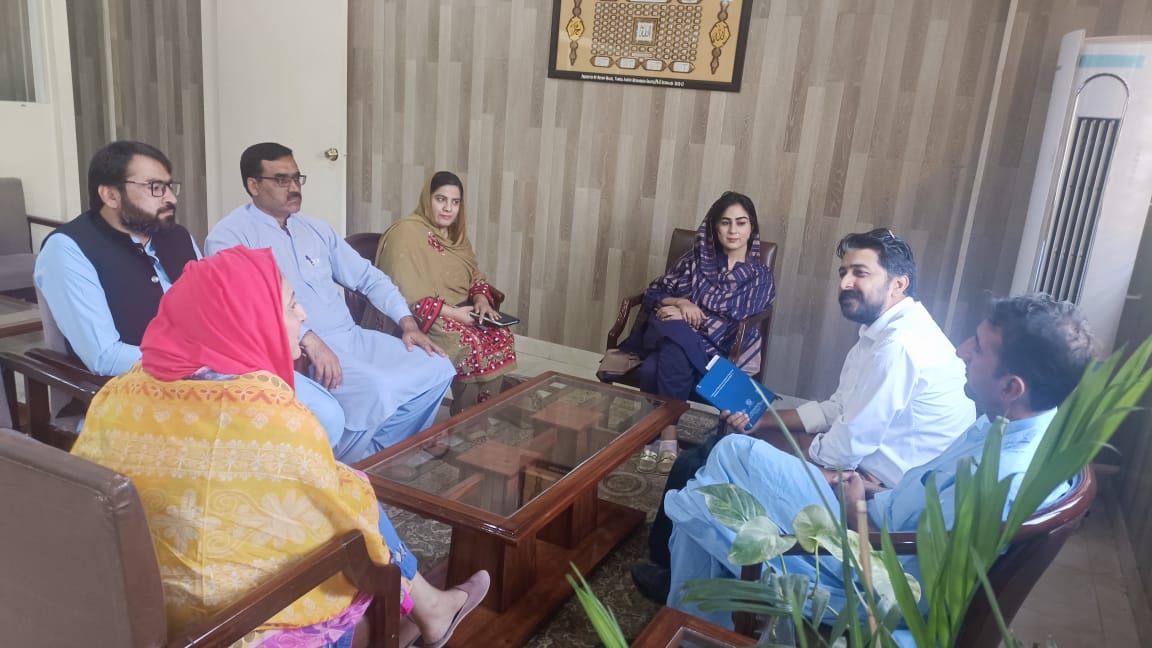
The Women Aligned for Sustainable Youth-Centred Livelihood Action (WASYLA) project
GENDER EQUALITY AND WOMEN EMPOWERMENT
Working Area
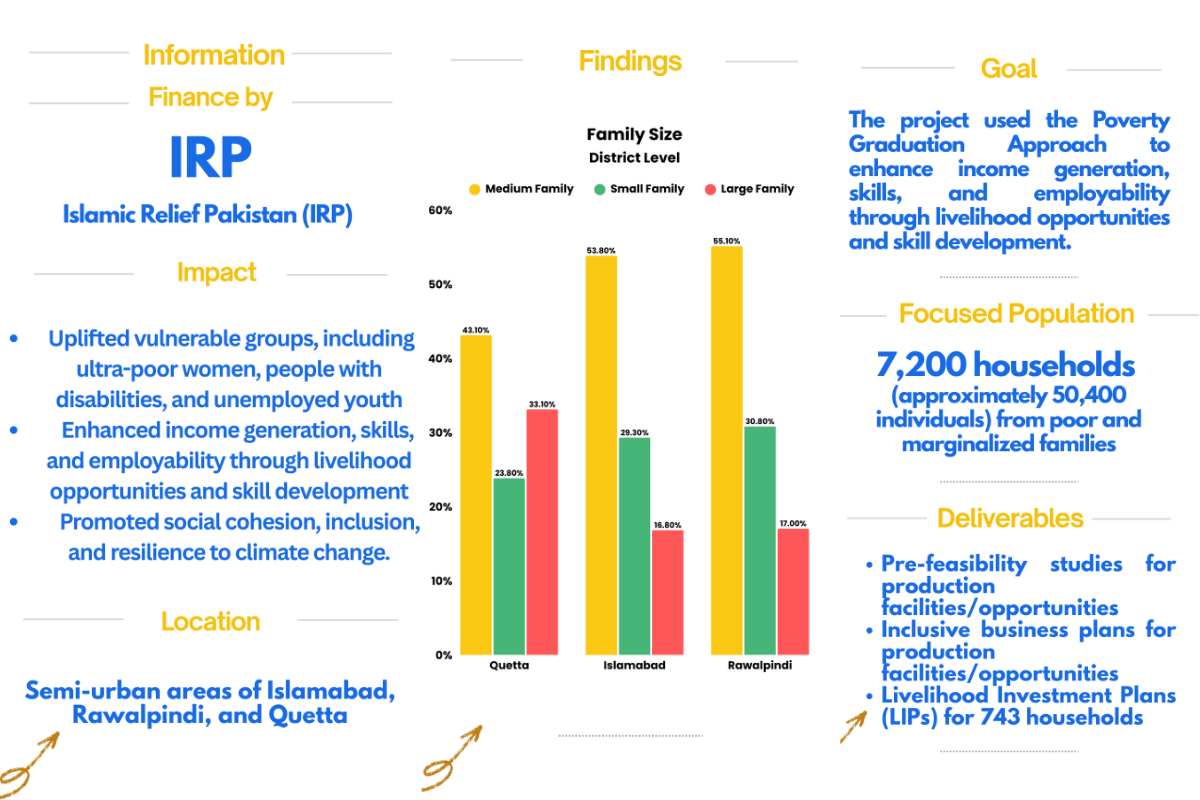
Project Introduction: The Women Aligned for Sustainable Youth-Centred Livelihood Action (WASYLA) project, implemented by Islamic Relief Pakistan (IRP) in partnership with Global Educational Economic and Social Empowerment (GEESE), aimed to uplift vulnerable groups, including ultra-poor women, people with disabilities, and unemployed youth, in semi-urban areas of Islamabad, Rawalpindi, and Quetta. The project used the Poverty Graduation Approach to enhance income generation, skills, and employability through livelihood opportunities and skill development. With a focus on inclusion, social cohesion, and resilience to climate change, the project targeted 7,200 households and conducted pre-feasibility studies and developed inclusive business plans for production facilities/opportunities. The project sought to create shared value for businesses and the local community, promoting economic development and employment opportunities in the target areas. Project Activities: - Conducted market assessment and scoping study to identify employment and self-employment opportunities - Developed Livelihood Investment Plans (LIPs) for 743 households - Conducted semi-structured interviews with 743 households and key stakeholders - Held Focus Group Discussions (FGDs) with business and vocational training associations - Conducted one-on-one interviews with identified market actors and training service providers - Developed inclusive business plans for production facilities/opportunities - Conducted technical assessments, market analysis, financial projections, and risk assessments - Identified potential production facilities/opportunities in three districts (Islamabad, Rawalpindi, and Quetta) - Engaged local stakeholders, including government officials, private sector representatives, and civil society organizations