- Have any questions?
- +92 051 2717932
- info@geese.org.pk
Projects in : Gender Equality & Women Empowerment
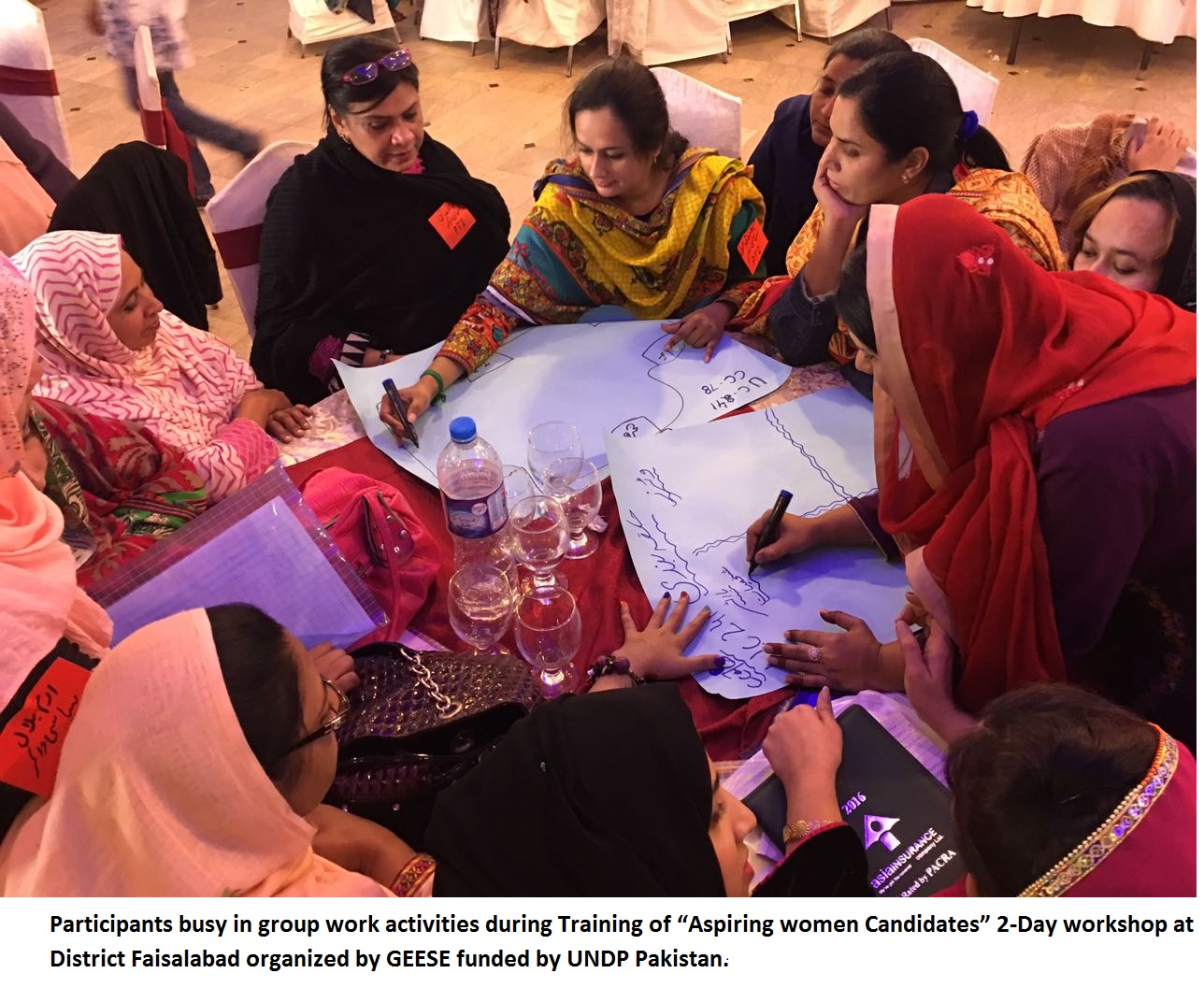
Training of Aspiring Women Candidates
District Faisalabad, Punjab Pakistan
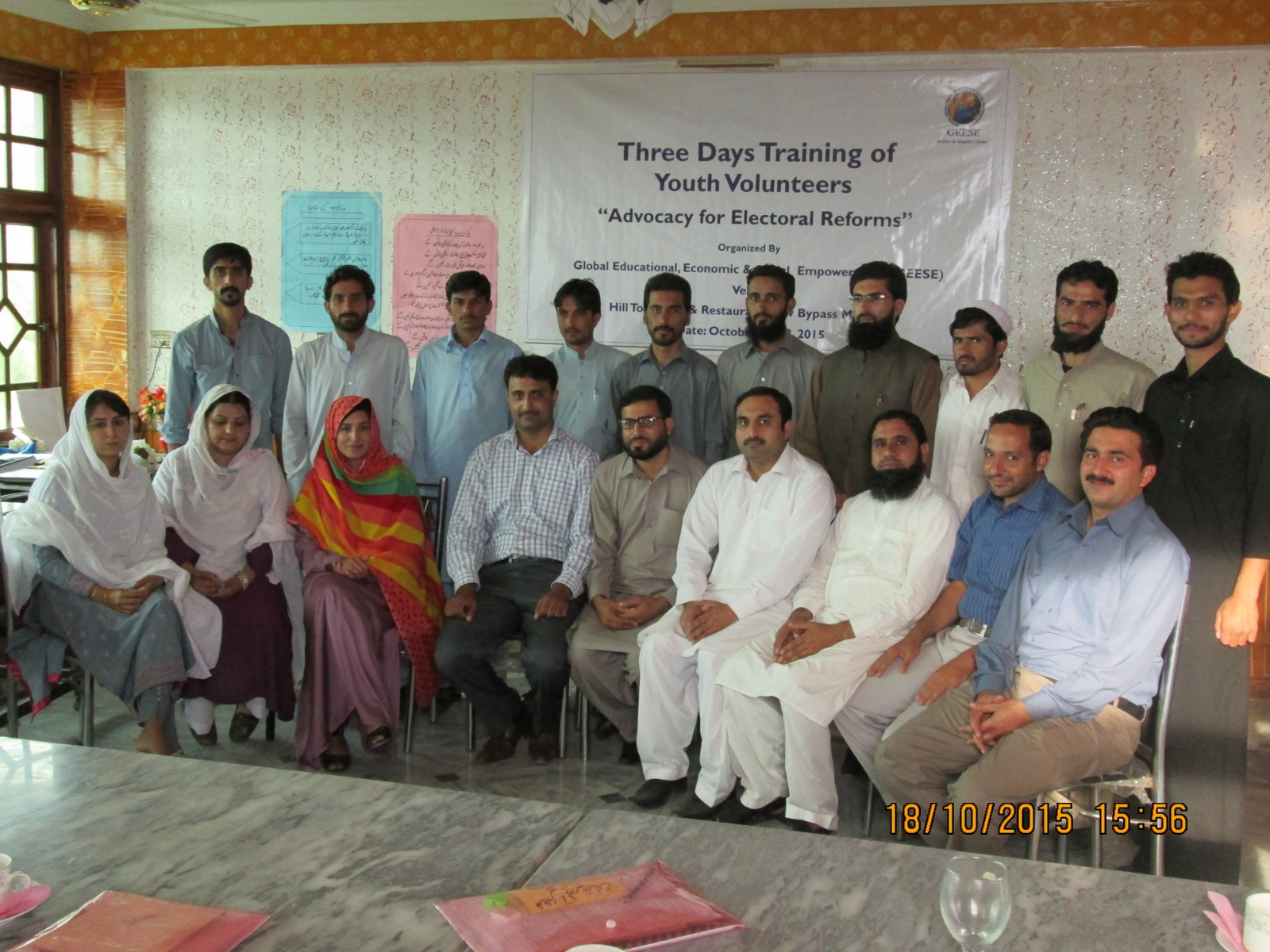
Advocacy for Electoral Reforms
District Kohistan, Battagram and Mansehra of KP Pakistan
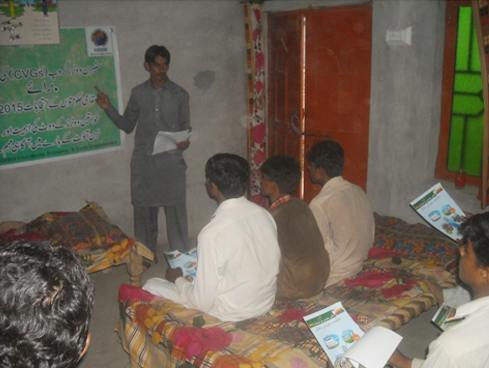
Voter Education to Diminish barriers to Women Voting in Local Govt. Election
District Bhakkar and Dera Ghazi Khan of Punjab, Pakistan
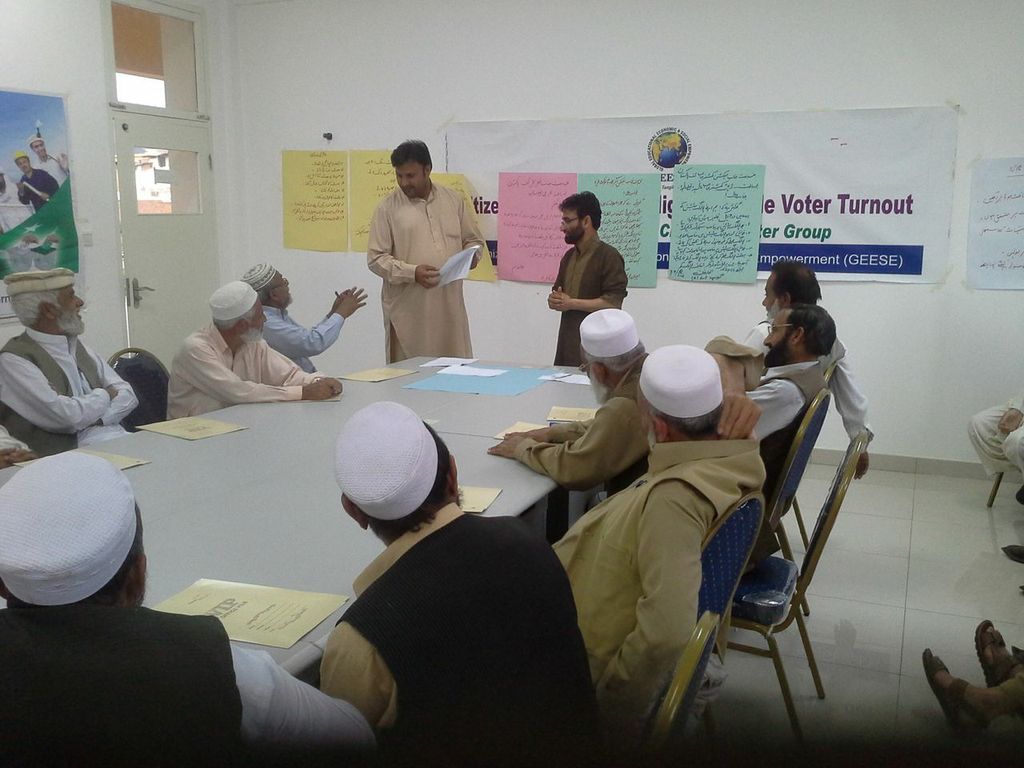
Citizens’ Awareness for Higher Female Voter Turnout
District Mansehra, KP Pakistan
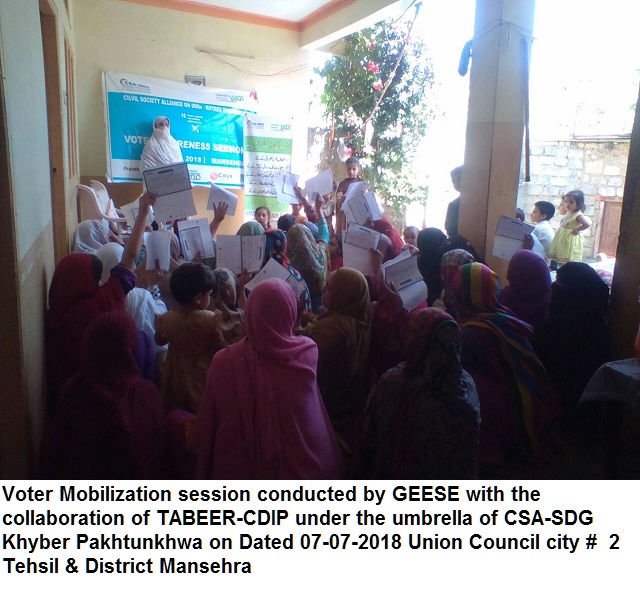
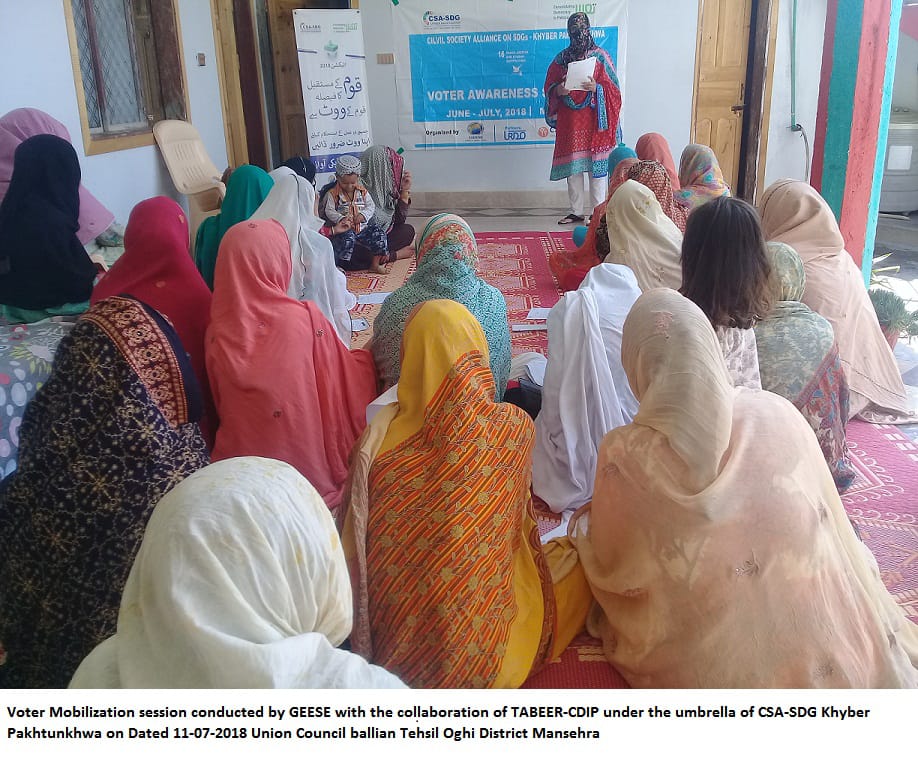
TABEER-CDIP Grant Project
Project Introduction: The “TABEER-CDIP Grant” project, funded by the UK government and implemented by DAI Pakistan, was executed by Global Educational, Economic and Social Empowerment (GEESE) to raise awareness and demonstrate the effectiveness of using laws to improve public service delivery related to legal identity for all in Khyber Pakhtunkhwa. The project duration spanned from April 27, 2018, to August 31, 2018. The project’s primary objective was to increase the capacity, accountability, and responsiveness of Pakistan’s political institutions and enhance the participation of marginalized groups, including women, youth, people with disabilities, and minorities, in the policy-making process. Through this project, GEESE aimed to contribute to achieving Sustainable Development Goal 16.9, which focuses on providing legal identity for all, including birth registration, by 2030. Project Activities: - Hosted Coalition Building Meetings to finalize the mandate, strategic objectives, and communication protocols of the coalition - Participated in Coalition Building Meetings to strengthen partnerships and coordination - Conducted Provincial Consultative Sessions to identify local issues and possible solutions related to SDG 16.9 (Legal Identity and Birth Registration) - Developed and aired radio messages to raise awareness about the importance of legal identity and birth registration - Conducted Town Hall Meetings with marginalized groups (transgender, PWDs, youth, women, and minorities) to sensitize and mobilize them about voter education and electoral processes - Developed IEC materials for voter mobilization sessions and town hall meetings - Conducted voter mobilization sessions to increase awareness and participation of marginalized groups in the electoral process
SELP: Women NIC and Voter Registration Campaign Project
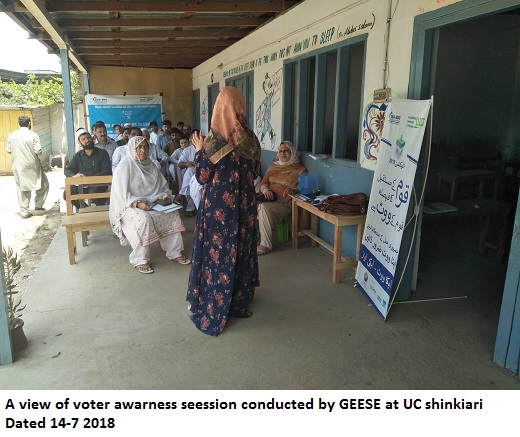
Project Introduction: The “SELP: Women NIC and Voter Registration Campaign” project, funded by TDEA, was implemented by GEESE to reduce the male-female voter deficit by registering unregistered women for NICs. The project was implemented in District Mansehra, with a focus on mobilizing communities and stakeholders. The project duration spanned from November 6, 2017, to May 31, 2018, with a total budget of PKR 5,541,544. During this period, GEESE successfully listed 17,235 women, exceeding the target of 14,746, and achieved significant progress in mobilizing communities and stakeholders. Through this project, GEESE enhanced the participation of women in the electoral process, contributing to a more inclusive and representative democracy. The project’s achievements underscore the importance of targeted initiatives in promoting gender equality and civic engagement. Project Activities: - Conducted community meetings to raise awareness about NIC registration - Organized corner meetings to engage with local communities - Engaged with local influential people, religious leaders, and political parties to support the project - Conducted door-to-door visits to identify and list unregistered women - Held public forums to sensitize communities about the importance of NIC registration - Coordinated with NADRA and ECP officials to ensure smooth project implementation - Facilitated women in obtaining their NICs through various project activities
SELP: Women NIC and Voter Registration Campaign Project
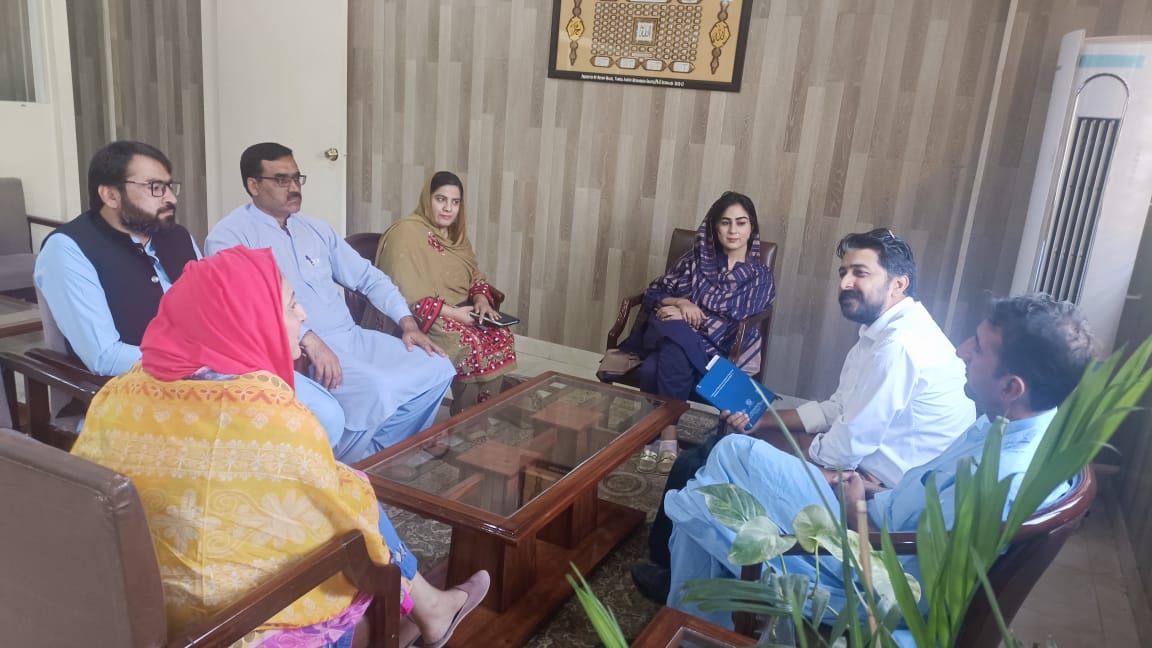
Project Introduction: The “SELP: Women NIC and Voter Registration Campaign” project, funded by TDEA, was implemented by GEESE to reduce the male-female voter deficit by registering unregistered women for NICs. The project was implemented in the geographical area of District Battagram, with a focus on mobilizing communities and stakeholders. The project duration spanned from November 6, 2017, to May 31, 2018, with a total budget of PKR 5,541,544. During this period, GEESE successfully facilitated 2051 women in obtaining their NICs, despite challenges, and achieved significant progress in mobilizing communities and stakeholders. Through this project, GEESE enhanced the participation of women in the electoral process, contributing to a more inclusive and representative democracy. The project’s achievements underscore the importance of targeted initiatives in promoting gender equality and civic engagement. Project Activities: - Conducted community meetings to raise awareness about NIC registration. - Organized corner meetings and public forums to engage with local communities. - Engaged with local influential people, religious leaders, and political parties to support the project. - Conducted door-to-door visits to identify and list unregistered women. - Requested and arranged Mobile Registration Vans (MRVs) visits to facilitate NIC registration. - Coordinated with NADRA and ECP officials to ensure smooth project implementation. - Facilitated women in obtaining their NICs through various project activities.
The Women Aligned for Sustainable Youth-Centred Livelihood Action (WASYLA) project
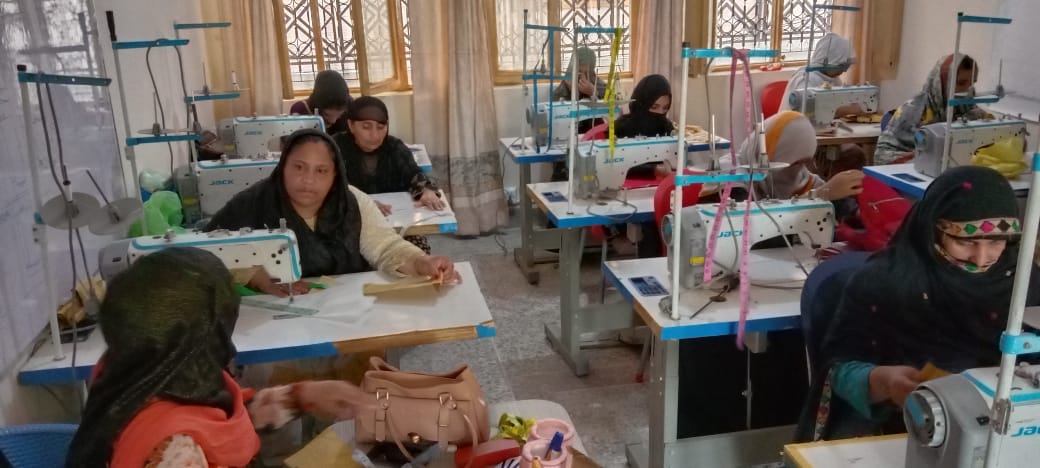
Project Introduction: The Women Aligned for Sustainable Youth-Centred Livelihood Action (WASYLA) project, implemented by Islamic Relief Pakistan (IRP) in partnership with Global Educational Economic and Social Empowerment (GEESE), aimed to uplift vulnerable groups, including ultra-poor women, people with disabilities, and unemployed youth, in semi-urban areas of Islamabad, Rawalpindi, and Quetta. The project used the Poverty Graduation Approach to enhance income generation, skills, and employability through livelihood opportunities and skill development. With a focus on inclusion, social cohesion, and resilience to climate change, the project targeted 7,200 households and conducted pre-feasibility studies and developed inclusive business plans for production facilities/opportunities. The project sought to create shared value for businesses and the local community, promoting economic development and employment opportunities in the target areas. Project Activities: - Conducted market assessment and scoping study to identify employment and self-employment opportunities - Developed Livelihood Investment Plans (LIPs) for 743 households - Conducted semi-structured interviews with 743 households and key stakeholders - Held Focus Group Discussions (FGDs) with business and vocational training associations - Conducted one-on-one interviews with identified market actors and training service providers - Developed inclusive business plans for production facilities/opportunities - Conducted technical assessments, market analysis, financial projections, and risk assessments - Identified potential production facilities/opportunities in three districts (Islamabad, Rawalpindi, and Quetta) - Engaged local stakeholders, including government officials, private sector representatives, and civil society organizations
The Caring Communities for Children (CCC) project
Project Introduction: The Caring Communities for Children (CCC) project implemented by Islamic Relief Pakistan (IRP) in partnership with Global Educational Economic and Social Empowerment (GEESE), aimed to create a supportive environment for the development of children in Dhok Hassu, Rawalpindi. The project targeted 25 households (approximately 175 individuals) from poor and marginalized families and conducted a market assessment and scoping study with business development planning. This initiative sought to enhance livelihood opportunities for youth, men, and women, equipping them with employable skills and competencies to pursue decent employment and entrepreneurship, ultimately contributing to improved socio-economic status and a brighter future for these children and their families. Project Activities: - Conducted market assessment to identify employment and self-employment opportunities - Conducted scoping study to understand livelihood-related dynamics in Dhok Hassu - Collected data through semi-structured interviews with households, community key informants, training and business development service providers, Ustaads, and trade union representatives - Developed toolkit for Livelihood Investment Plans (LIPs) - Assessed training needs of beneficiaries, including enterprise development, technical training, and job acquisition skills - Developed business development plans and strategies - Engaged with stakeholders, including trade unions, market actors, and training service providers - Identified potential partners and resources for future sustainability
Skill Enhancement and Job Placement of Forcibly Displaced Women and Girls in Afghan Refugee Camps of District Mansehra and Haripur, KP Pakistan
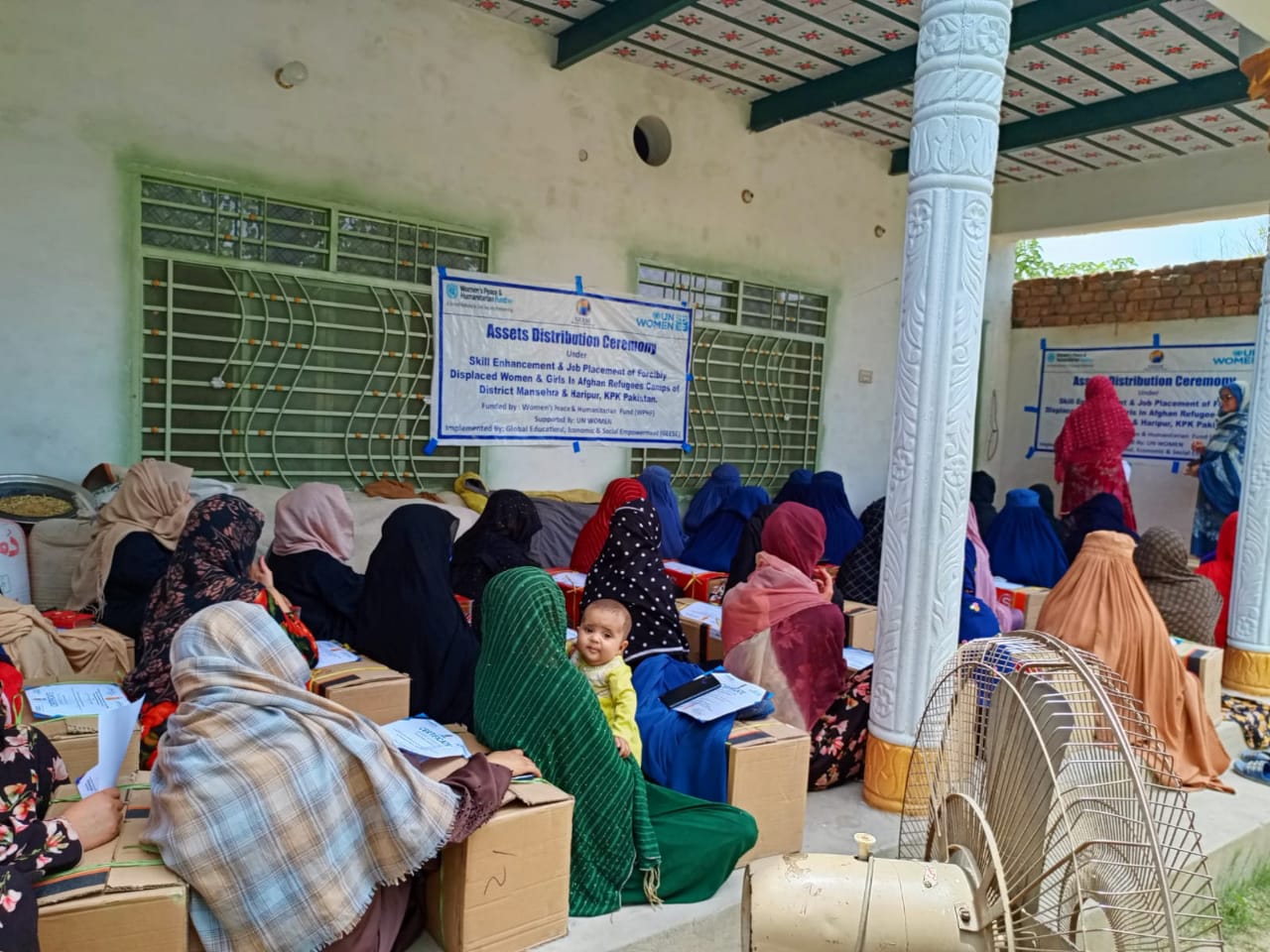
The project, funded by UN Women and implemented by GEESE, enhanced the livelihoods and empowerment of 560 Afghan refugee women and girls in Mansehra and Haripur through skill development, job placement, and leadership training. Over 22 months, the initiative established 9 training centers, provided vocational and financial literacy courses, supported entrepreneurship, and linked women with local businesses. Women formed 18 Common Interest Groups, participated in exhibitions, and engaged in peacebuilding and social cohesion activities. Additionally, 70 women leaders from 10 CSOs were trained, enabling long-term advocacy for Afghan refugee women. The project significantly improved women’s economic independence, community resilience, and their role in decision-making. . Major Activities: i. Conducted Training Need Assessments (TNAs) in 6 camps ii. Developed Livelihood Investment Plans (LIPs) for 560 women iii. Established 9 training centers in Mansehra & Haripur iv. Provided 3-month vocational training (tailoring, embroidery, beautician) v. Formed 18 Common Interest Groups (CIGs) vi. Organized 2 exhibitions/Meena Bazaars for product showcasing vii. Trained 560 women in peacebuilding & social cohesion viii. Strengthened 10 local CSOs with 70 women leaders trained